Safety
Pilot Paralysis: When a Smart Safety Pilot Quietly Becomes the Final Plan
A successful safety pilot can stall long-term progress if it never expands. Learn the signs of pilot paralysis and how to scale hazard awareness across your facility.

A successful safety pilot can stall long-term progress if it never expands. Learn the signs of pilot paralysis and how to scale hazard awareness across your facility.
By Dimitry Fedorov Sometimes progress doesn’t come from a dramatic shift. Sometimes, it sneaks in quietly, solving one small problem at a time, until one day, it's the new standard. That’s how I see smart sensors. Right now, they’re still seen as an add-on, a “nice-to-have” layered onto traditional safety systems. But I think that’s about to change. In fact, I believe sensor-driven safety will soon become the baseline. The question isn’t if. It’s how quickly. Because here’s
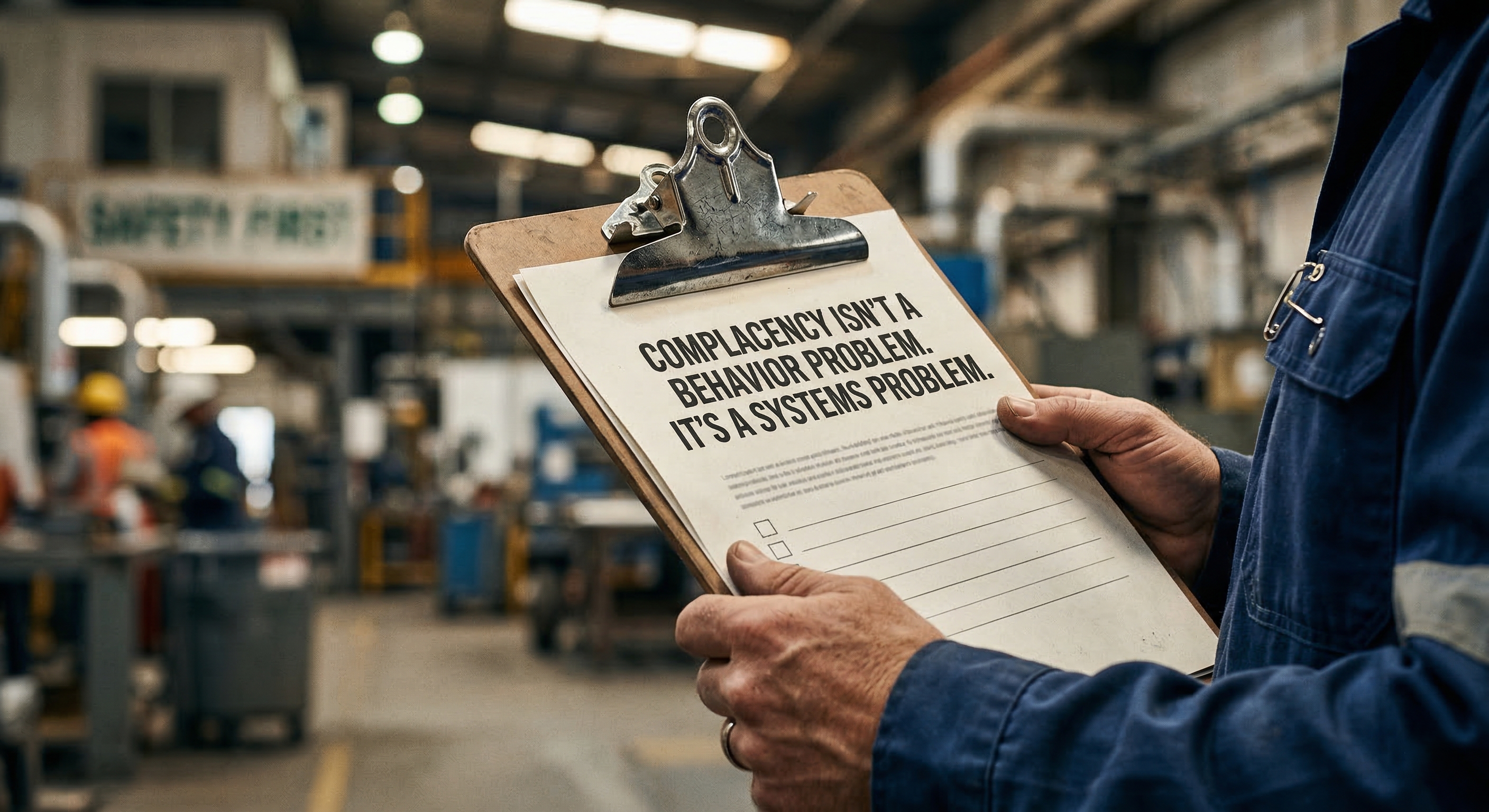
We’ve all seen it. A team that starts off strong slips into risky shortcuts. Hazards that were once flagged get overlooked. Conversations about “why” slowly turn into shrugs about “just how it’s done.” When incidents happen, the word “complacency” gets thrown around like a diagnosis. But here’s the truth: Complacency isn’t a mindset issue. It’s a systems issue. In high-pressure industrial environments, even the most skilled, well-meaning workers can drift into unsafe habits.
Watch This Quick Video Summary of The Article Key Takeaway Workers can look directly at a hazard and still miss it when their attention is locked onto the task in front of them. Inattentional blindness explains why visible markings alone do not guarantee safety in high-traffic industrial zones. Hazard awareness systems must account for human cognitive limits and reinforce attention when risk appears. Facilities that design around this reality reduce preventable near misses an
In industrial safety, the biggest mistake we make isn’t ignoring problems. It’s solving the wrong ones. Too often, innovation starts in a boardroom with a product spec, not on the shop floor with a worker’s headache. And that’s where things go backwards. We chase new features, new form factors, and new trends. But in that rush, we lose the one thing that actually matters: relevance. Real-world utility. Solutions shaped by friction. I’ve learned the hard way that tech-first th
This case study explores how Laserglow's innovative safety technologies played a pivotal role in enhancing workplace safety at AMP.
In today’s fast-paced industrial world, safety remains a paramount concern. It’s not just about adhering to regulations; it’s about...
A brief story of how our patented light fixture has been evolving through the past 5 years. Over the past few years, the VirtuaLine...
Gordon Food Service – Michigan, US Gordon Food Service is a food service distributor based in Wyoming, Michigan serving the Midwest,...
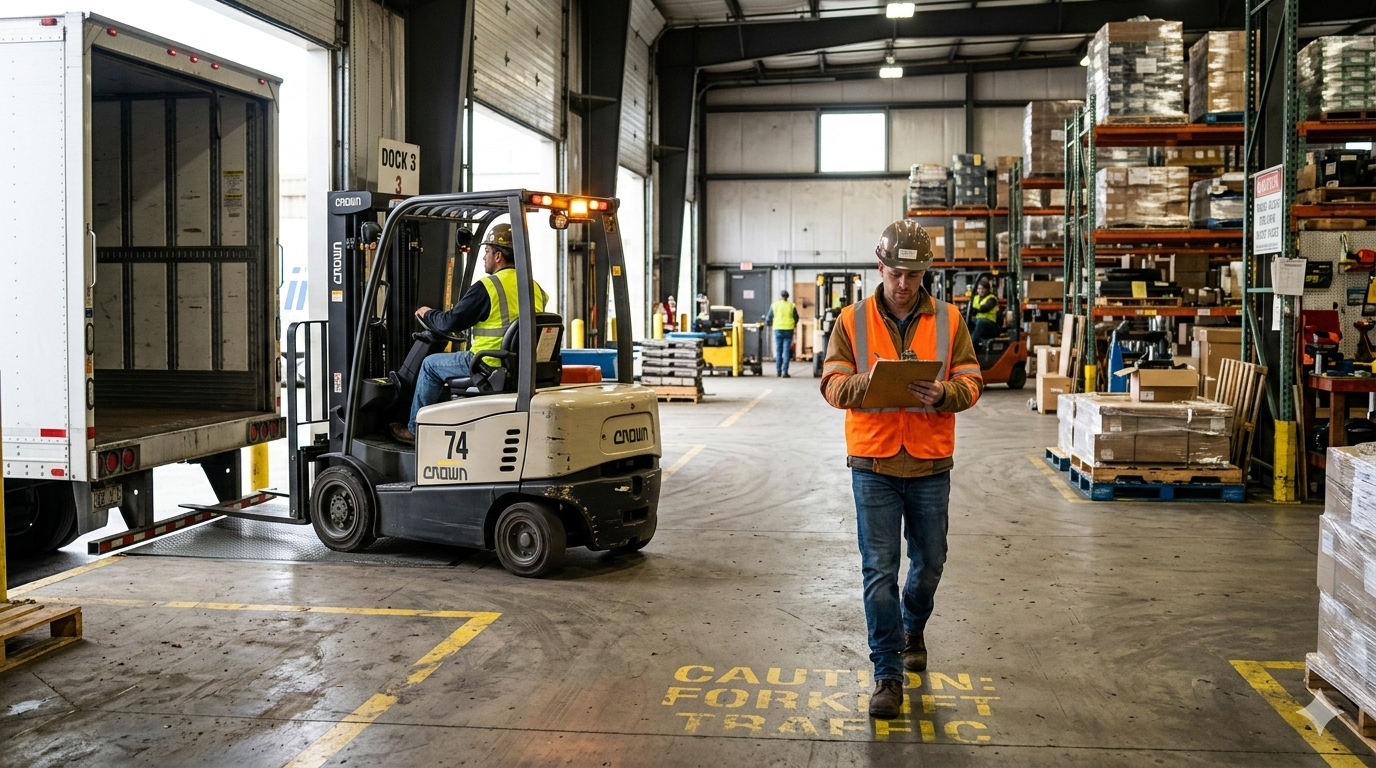
Warehouse operations present a variety of potential hazards. Despite increased awareness of these safety hazards, sadly, the fatality...
The Occupational Safety and Health Administration (OSHA) was created to oversee workplace safety by publishing rules and guidelines....
Written by: Linda Johnson Source: https://www.thesafetymag.com/ca/topics/safety-and-ppe/projected-signage-changing-how-safety-messages-co...
At a warehouse in La Mesa, CA, a forklift operator had just finished loading a delivery truck when he backed up. Although he had checked...
Veoneer – Markham, Ontario Veoneer is a worldwide leader in automotive technology. They design, manufacture, and sell state-of-the-art...
At Laserglow Technologies, we strive to continuously expand our solution offering and look to engage with our markets before embarking on...
Corning – Harrodsburg, Kentucky Corning™ Harrodsburg Plant has an amazing history of manufacturing, development, and innovation which...